
Temporomandibular Joint Dysfunction (Jaw Pain)
January 20, 2026
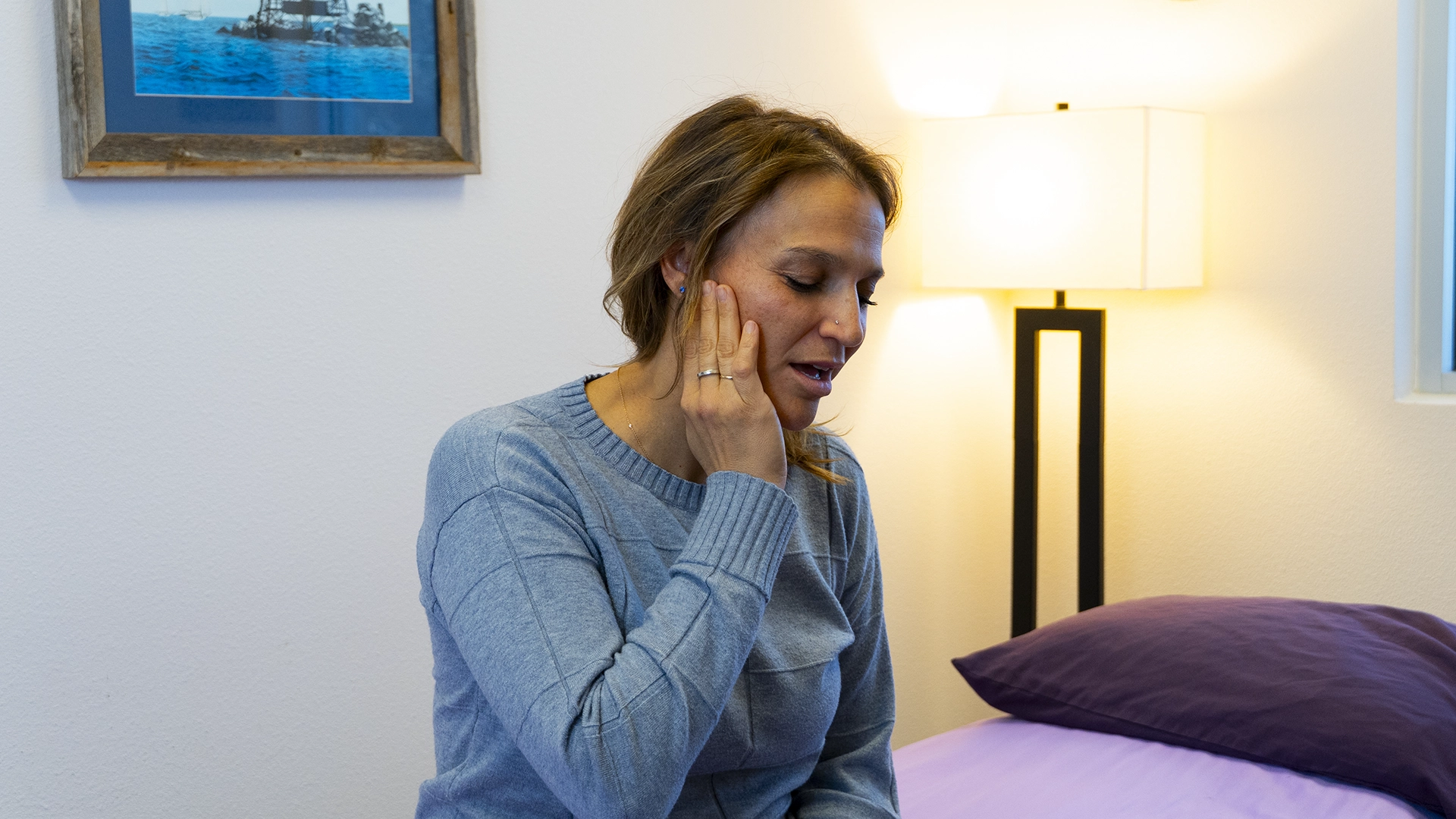
Are you experiencing jaw pain with chewing, yawning or talking? Do you have popping in your jaw? Do you wake up with a headache or jaw pain? Do you have difficulty opening your mouth very wide? These may be symptoms of temporomandibular dysfunction. (TMD) Physical therapy can be very helpful to resolve some or all of these symptoms.
What is Temporomandibular joint dysfunction? (Or, TMJ)
Temporomandibular joint dysfunction is a group of multiple conditions that can cause pain and dysfunction in the jaw joint and muscles that control jaw movement. Some common symptoms include:
- Pain or tenderness in the jaw
- Headache
- Neck pain
- Aching in or around the ear
- Difficulty chewing or pain with chewing
- Persisting popping in the joint
- Locking of the joint, making it difficult or painful to chew
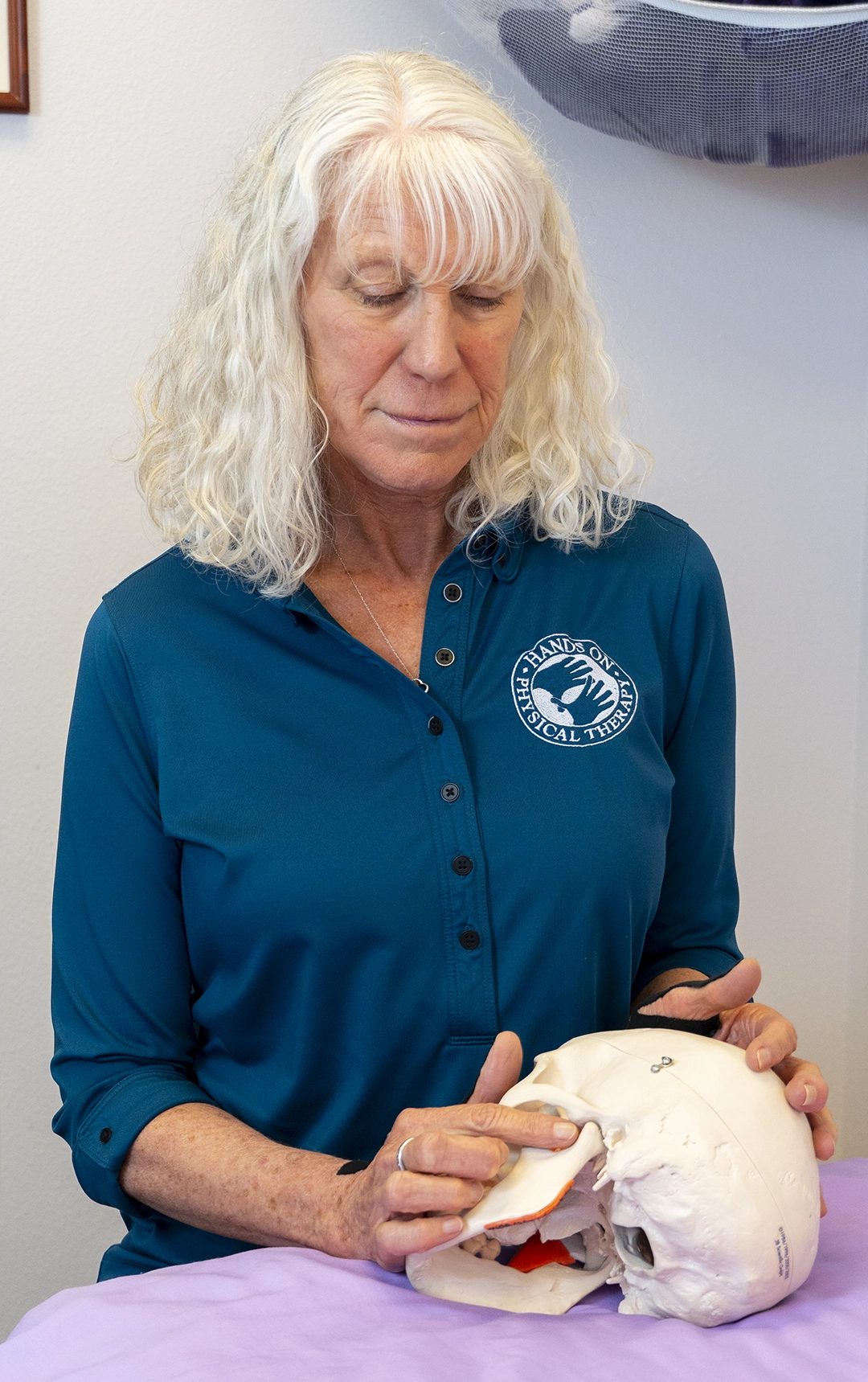
The jaw joint is a ball-and-socket joint located where the upper and lower jaw bones meet. . You have one joint on each side of your mouth. There is a disk inside this joint. This disk can displace and cause jaw locking and/or pain. Muscles, ligaments and bones work together with this joint so that your jaw can properly function.
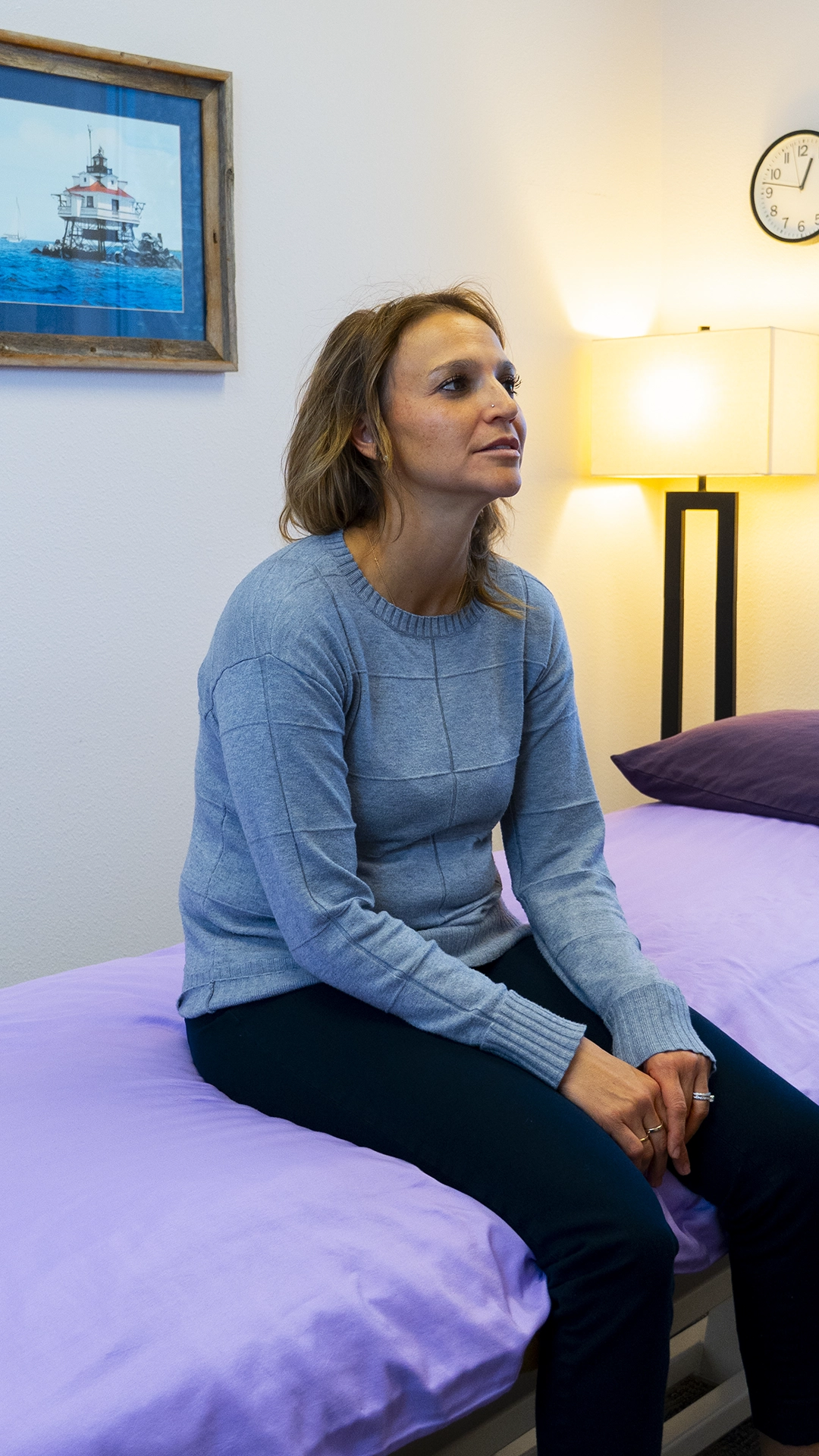
Poor posture
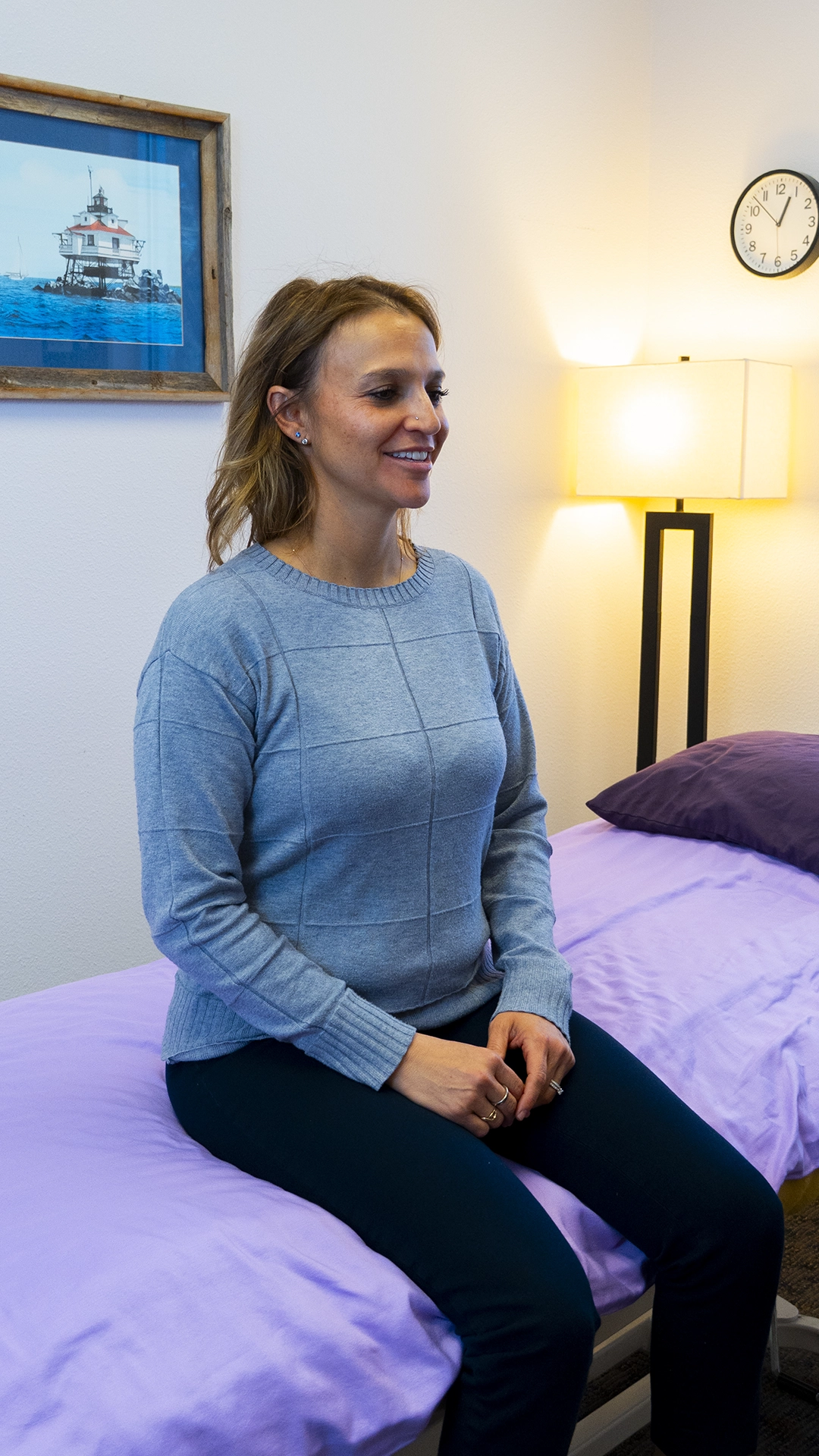
Good posture
The exact cause of TMD is often hard to determine, but it may be related to a combination of factors. These include osteoarthritis of the jaw joint or arthritic erosion of the disk that is located inside of the joint. These can be caused by chronic neck stiffness and joint dysfunction or an improper bite. Habits like clenching or grinding your teeth, chewing gum or biting nails can adversely affect your jaw joint. Improper posture is a common cause as is chronic stress. Dental procedures or direct jaw injury can also cause TMD.
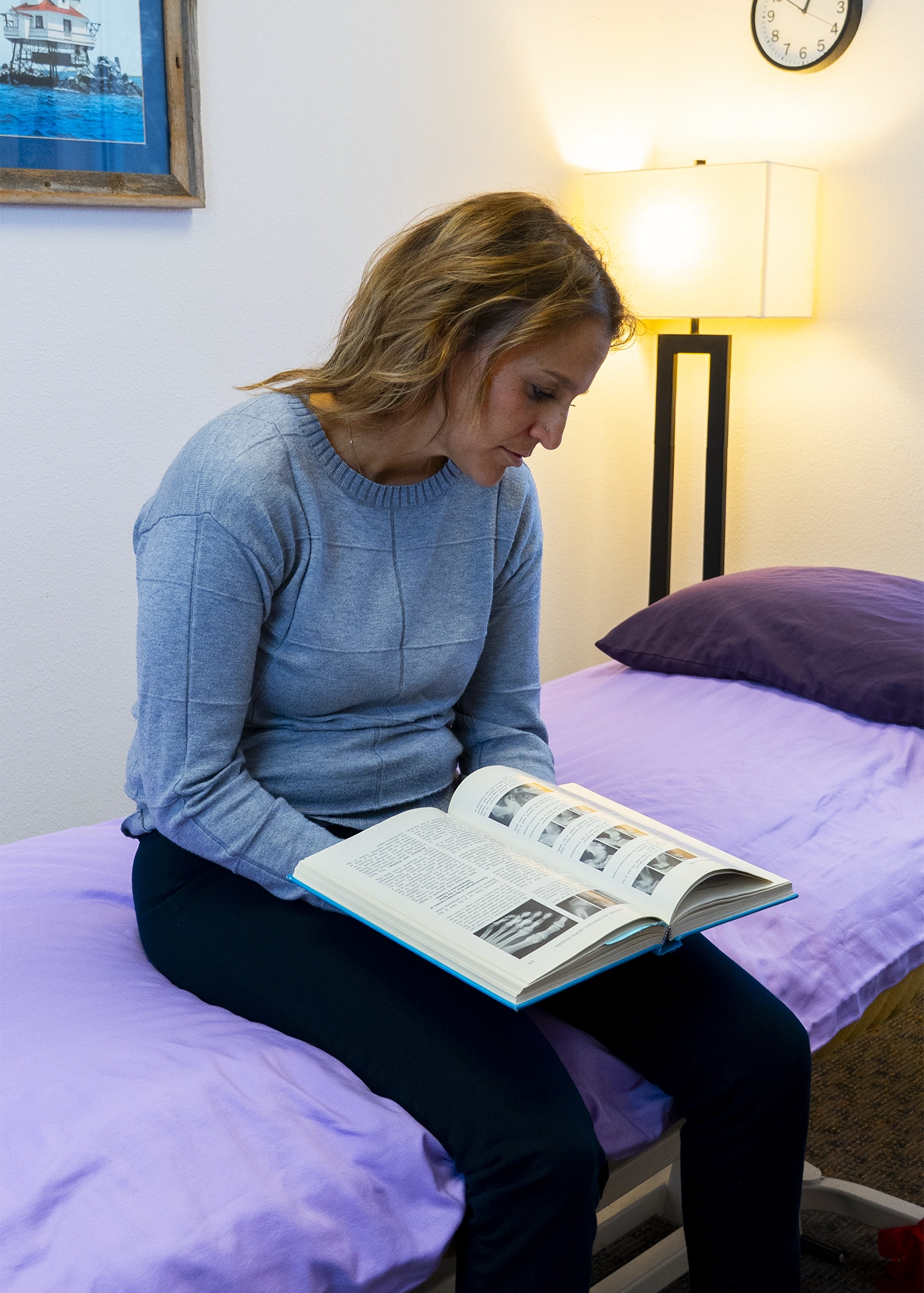
Poor reading posture
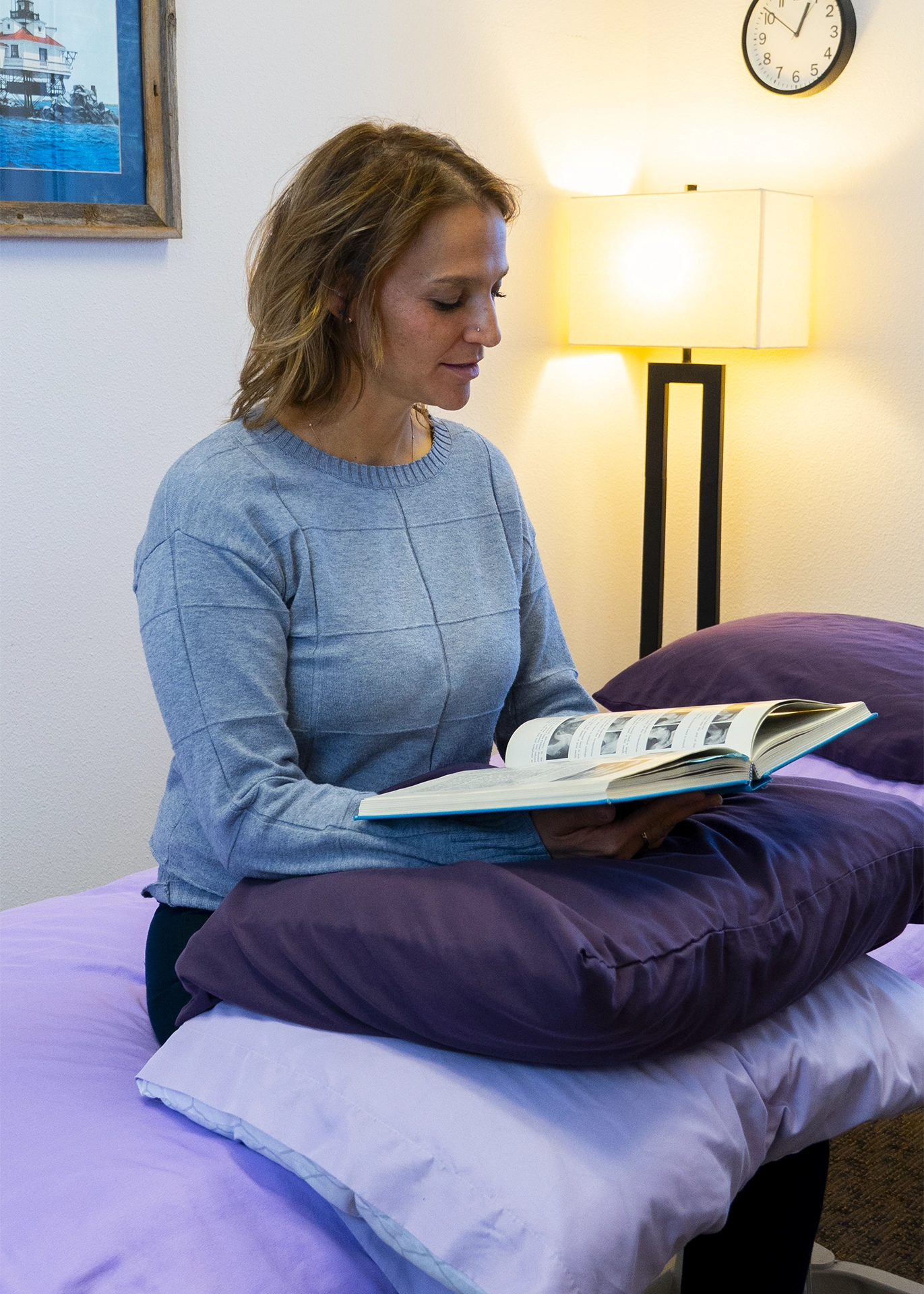
Better reading posture
Fortunately physical therapy can help address many of these issues. Physical therapists use techniques to relax the muscles in your neck and jaw. They also work to restore normal joint motion by using gentle manual techniques to the neck and jaw joint itself. Sometimes modalities such as electrical stimulation or ultrasound are used to influence the tight muscles and joints and alleviate pain. A home exercise program is utilized and is essential to help balance the jaw muscles and retrain key postural muscles in the neck and mid-back. Rehabilitation for TMD is a process, but it is usually very effective and can be life changing for people that suffer from dysfunction in this area.
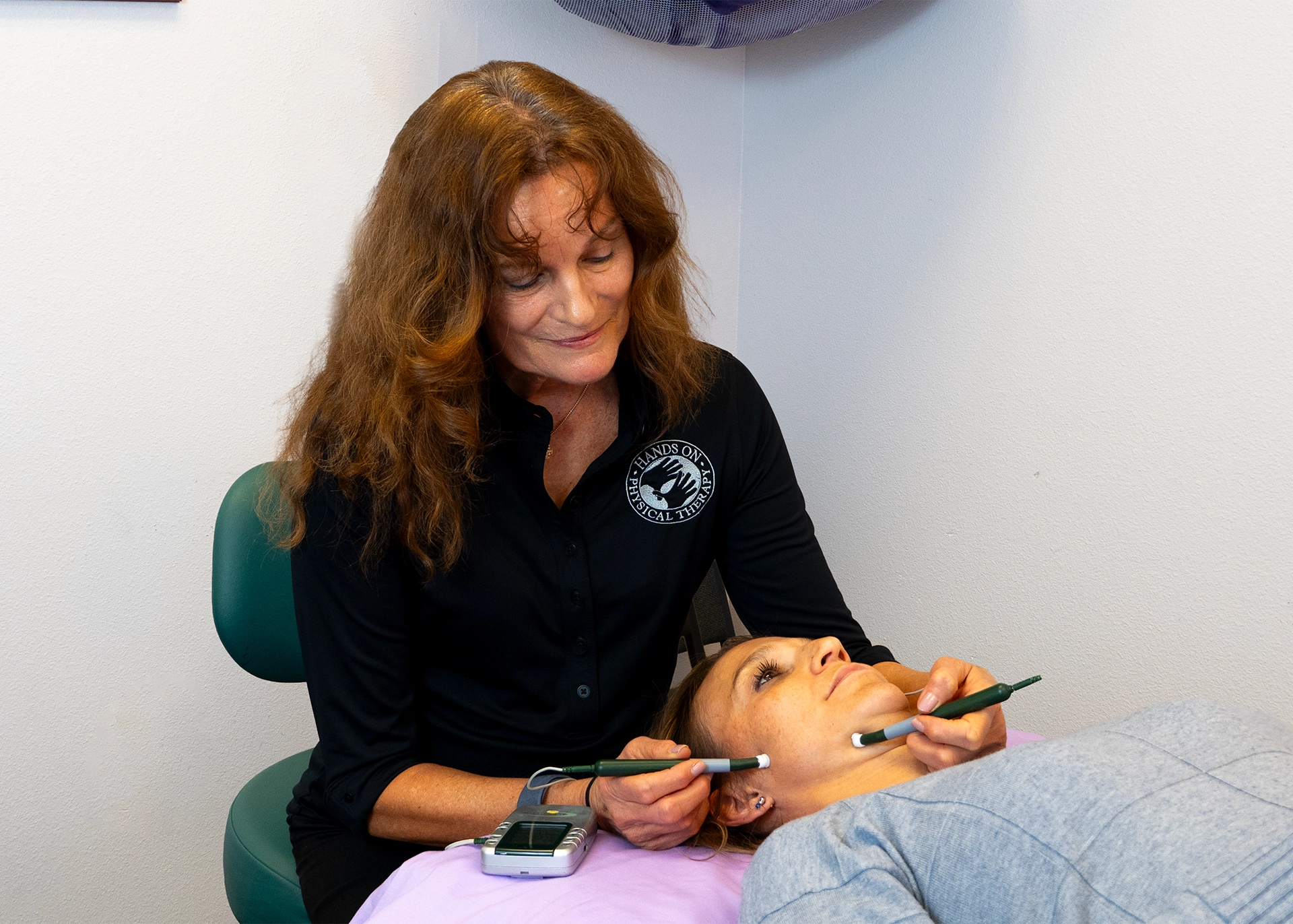
TMJ treatment with electrical stimulation
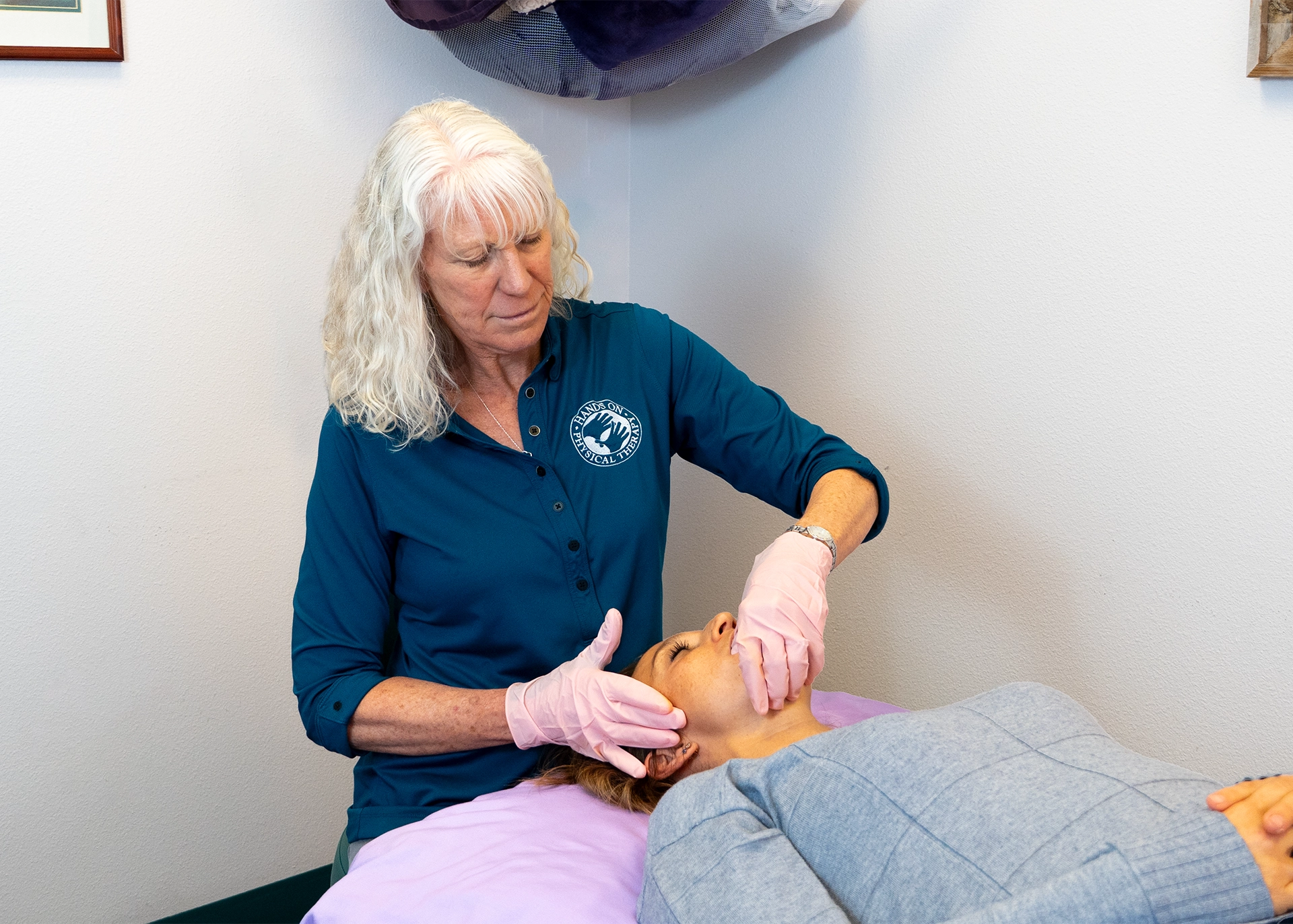
TJM treatment using gentle mobilization